
Victim journalist of General Zia Ul Haq’s martial law reveals more about Zia and People’s Party
Jul 7, 2026•Channel
AI Analysis
Data from YouTube Data API v3•Updated Just now
Video Overview
Video Details
Published2 days ago
Duration16:56
Video IDHDXvV5vrhpw
Languageen-US
CategoryNews & Politics
PrivacyPublic
Made for KidsNo
Video TypeRegular Video
Performance Metrics
Views1.4K
Likes117
Comments17
Engagement Rate9.32%
Likes per 100 views8.14
Comments per 1K views11.83
Video Tags
Description
On 5 July 1977, Pakistan witnessed one of the most consequential turning points in its political history when General Muhammad Zia-ul-Haq overthrew the elected government of Prime Minister Zulfikar Ali Bhutto and imposed martial law. The military takeover suspended democratic institutions, curtailed fundamental freedoms, imposed strict press censorship, and ushered in an era during which many political workers, journalists, lawyers, and civil society activists faced arrests, military trials, imprisonment, and public punishments.
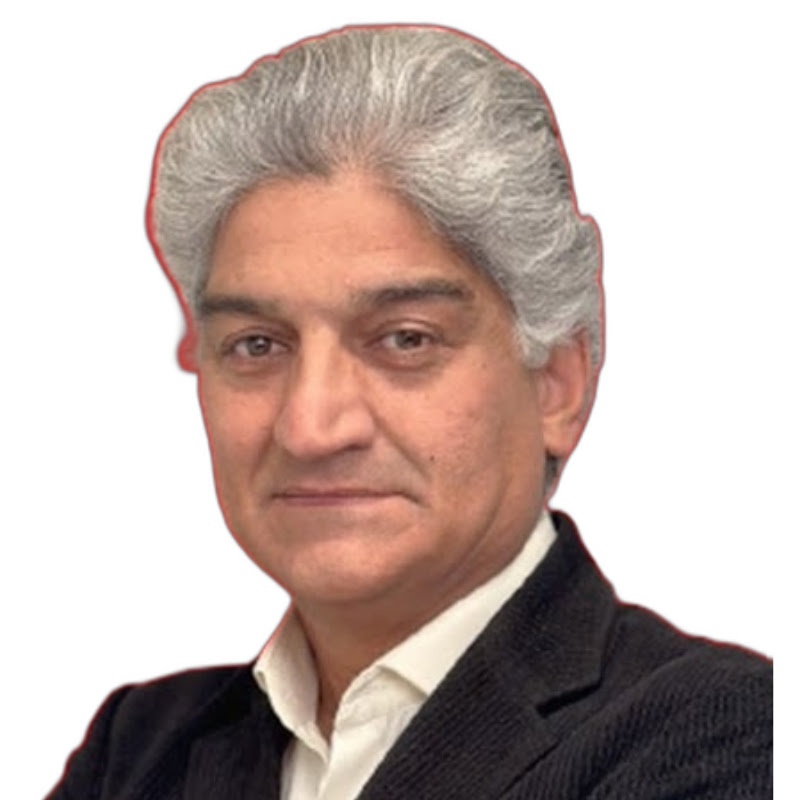
This special discussion revisits that turbulent period through the testimony of a veteran journalist who personally endured the brutality of General Zia’s military rule. Having been sentenced to public flogging for standing by the freedom of the press and democratic values, he recounts the events that led to his arrest, the experience of being whipped in public, and the lasting impact of state repression on Pakistan’s media and democratic institutions.
The event was organized by the Shaheed Bhutto Foundation at ZABIST University, Islamabad, to mark the anniversary of the 5 July 1977 martial law. The session brought together journalists, students, academics, and members of civil society to reflect on the legacy of authoritarian rule, the struggle for constitutional democracy, and the importance of protecting freedom of expression.
The discussion explores how martial law transformed Pakistan’s political landscape, the challenges faced by those who resisted military rule, and the lessons younger generations can draw from that era. It also examines the role of journalists who continued to report despite censorship, intimidation, imprisonment, and corporal punishment.
Watch this important conversation to hear a rare first-hand account from a journalist who lived through one of Pakistan’s darkest chapters and to understand why the events of 5 July 1977 continue to shape debates about democracy, constitutionalism, civil liberties, and press freedom in Pakistan today