
The Importance of the Bases of Pots
Jan 26, 2026•Channel
AI Analysis
Data from YouTube Data API v3•Updated Just now
Video Overview
Video Details
Published4 months ago
Duration1:23
Video IDJDX5qEK7RGc
Languageen-GB
CategoryHowto & Style
PrivacyPublic
Made for KidsNo
Video TypeYouTube Short
Performance Metrics
Views10.5K
Likes563
Comments5
Engagement Rate5.41%
Likes per 100 views5.36
Comments per 1K views0.48
Video Tags
Description
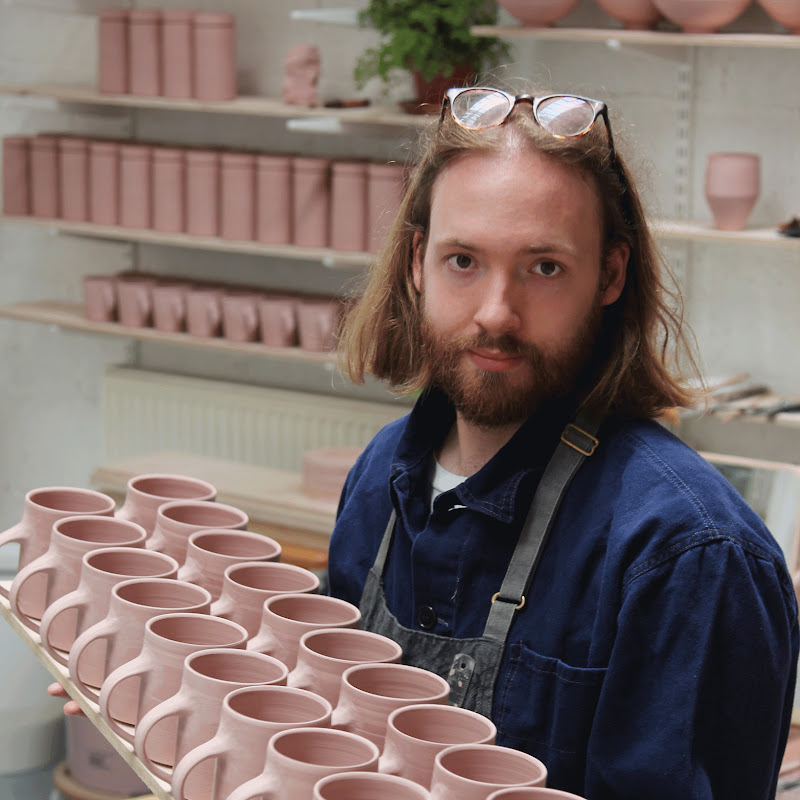
Trimming the bottoms of pots is one of my favourite tasks, it never feels like a small part of the process, or something that should be rushed and finished crudely, in fact it’s the opposite of that. Due to the glazes I use, many of the marks left on the walls of the vessel will simply be hidden by a layer of glaze, whereas on the foot, that clay will be on show forever, scratches, burrs of clay, all of it visible if turned in a hurry.
The way I look at it, the degree to which a foot should be finished, depends entirely on the style of the object itself. For instance, if you had a cleanly thrown and trimmed cup and then messily finished the bottom and harshly plonked it down on a ware-board, indenting the still soft leather hard clay, then there’s a discrepancy between the parts, which to me feels wrong. A pot, thrown and finished to a high degree, should have a base that’s trimmed with an equal amount of care.
On the other hand, if the pots shape is intentionally wonky or rough, or cut and faceted or scratched, then a purposefully naive base is absolutely acceptable as it fits the aesthetic of the object. Really, it all boils down to intention, I like knowing the potter has at least considered the underside, that some decision on how to finish the pot has been made. That’s what really matters to me.
#ceramics #craftsmanship #maker #tableware