
Harm OCD - Intrusive Thoughts that I Might Hurt Someone
Jul 31, 2025•Channel
AI Analysis
Data from YouTube Data API v3•Updated Just now
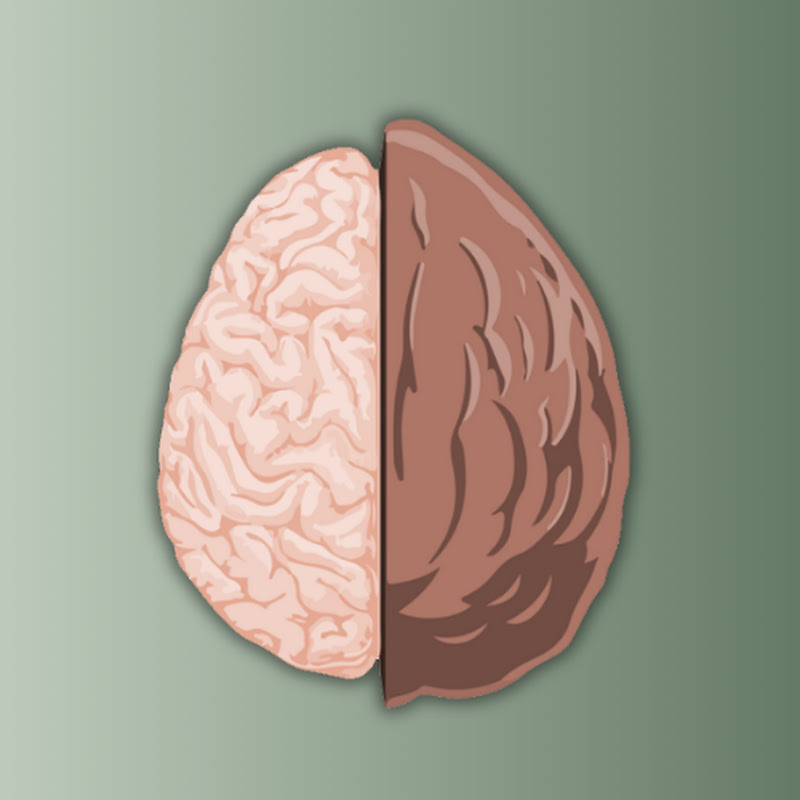
Video Overview
Video Details
Published10 months ago
Duration16:13
Video IDVTvYKx0iH28
Languageen
CategoryEducation
PrivacyPublic
Made for KidsNo
Video TypeRegular Video
Performance Metrics
Views6.8K
Likes486
Comments58
Engagement Rate8.05%
Likes per 100 views7.19
Comments per 1K views8.58
Video Tags
Description
It’s normal that intrusive thoughts are about things that you consider “Bad” but just having a thought won’t hurt you and it doesn’t mean you’re dangerous. Harm OCD is common.
Learn the skills to Regulate your Emotions, join the membership: https://courses.therapyinanutshell.com/membership
Course on Managing Intrusive thoughts: https://courses.therapyinanutshell.com/managing-intrusive-thoughts
FREE Clarify Your Values Workbook: https://courses.therapyinanutshell.com/opt-in-2123fb37-7322-4208-a65a-2b135a653d47
Full interview w/ Dr. Green: https://youtu.be/AyXMt89_M9g
Are your intrusive thoughts so intense or disturbing that they feel dangerous? You're not alone. In this video, we break down what these dangerous thoughts really mean, especially in the context of OCD (Obsessive-Compulsive Disorder) and anxiety. Harm OCD is the specific thoughts that you might hurt someone. You might think "I'm afraid I'm going to hurt my child". Learn the difference between intrusive thoughts and real desires, and why your brain targets the things you care most about. Using Cognitive Behavioral Therapy (CBT) and Acceptance and Commitment Therapy (ACT), you'll discover practical tools like defusion, exposure, and how to stop doing safety behaviors that make negative thoughts stickier. These strategies help retrain your brain to see thoughts for what they are—just thoughts. If you’re struggling with scary, unwanted thoughts and feel trapped in the OCD cycle, this video offers clarity, compassion, and a path forward. #IntrusiveThoughts #ocd
00:00 Intro
00:26 Dangerous Intrusive Thoughts and Harm OCD
01:15 Do Intrusive Thoughts Mean I’m Dangerous?
02:21 Why Intrusive Thoughts Feel so Scary
04:44 Intrusive Thoughts vs. Genuine Desires
06:02 Harm OCD: Why dangerous thoughts feel so real
07:21 Safety Behaviors Fuel Intrusive Thoughts
09:09 Thoughts Aren’t Dangerous
10:24 ERP Therapy for Intrusive Thoughts and Harm OCD
12:41 Self-Help for Intrusive Thoughts: Step 1 – Notice the Thought
13:43 Step 2 – Allow the Thought and Delay
14:17 Step 3 – Get On with Your Life
15:26 Live by Your Values, Not Your Intrusive Thoughts
Looking for affordable online counseling? My sponsor, BetterHelp, connects you to a licensed professional from the comfort of your own home. Try it now for 10% off your first month: https://betterhelp.com/therapyinanutshell
FREE Mental Health Resources: https://courses.therapyinanutshell.com/free-resources
Check out my podcast, Therapy in a Nutshell: https://tinpodcast.podbean.com/
Therapy in a Nutshell and the information provided by Emma McAdam are solely intended for informational and entertainment purposes and are not a substitute for advice, diagnosis, or treatment regarding medical or mental health conditions. Although Emma McAdam is a licensed marriage and family therapist, the views expressed on this site or any related content should not be taken for medical or psychiatric advice. Always consult your physician before making any decisions related to your physical or mental health.
In therapy I use a combination of Acceptance and Commitment Therapy, Systems Theory, positive psychology, and a bio-psycho-social approach to treating mental illness and other challenges we all face in life. The ideas from my videos are frequently adapted from multiple sources. Many of them come from Acceptance and Commitment Therapy, especially the work of Steven Hayes, Jason Luoma, and Russ Harris. The sections on stress and the mind-body connection derive from the work of Stephen Porges (the Polyvagal theory), Peter Levine (Somatic Experiencing) Francine Shapiro (EMDR), and Bessel Van Der Kolk. I also rely heavily on the work of the Arbinger institute for my overall understanding of our ability to choose our life's direction.
And deeper than all of that, the Gospel of Jesus Christ orients my personal worldview and sense of security, peace, hope, and love https://www.churchofjesuschrist.org/comeuntochrist/believe
If you are in crisis, please contact the National Suicide Prevention Hotline at https://suicidepreventionlifeline.org/ or 988 or your local emergency services.
Copyright Therapy in a Nutshell, LLC