
The Most Hypocritical Skincare Brand EVER? The Ordinary’s “Periodic Fable” Problem | James Welsh
Mar 15, 2026•Channel
AI Analysis
Data from YouTube Data API v3•Updated Just now
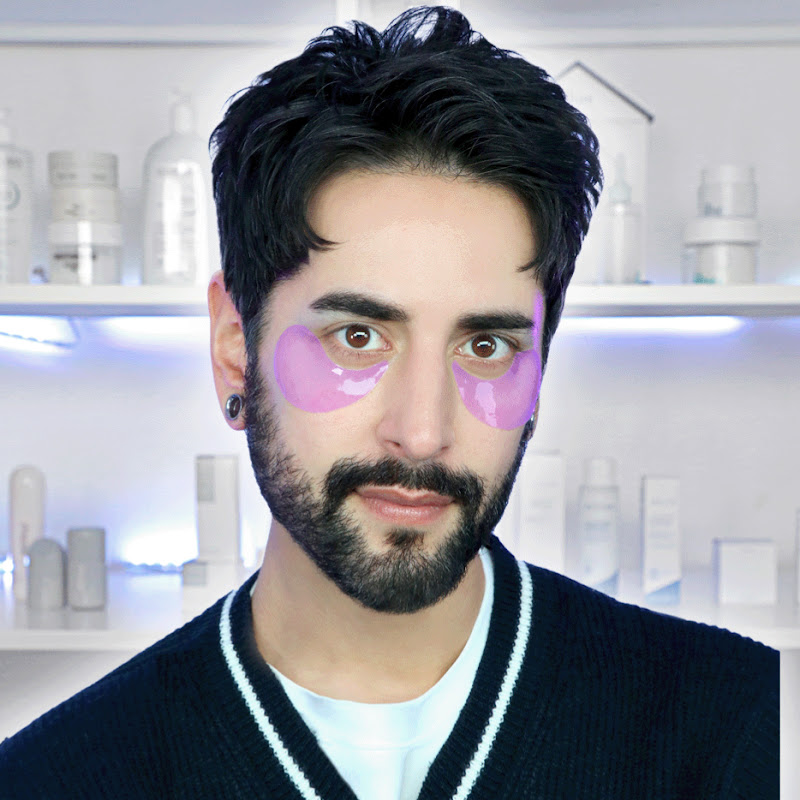
Video Overview
Video Details
Published3 months ago
Duration24:57
Video IDZIAWzNSMydE
Languageen
CategoryHowto & Style
PrivacyPublic
Made for KidsNo
Video TypeRegular Video
Performance Metrics
Views127.7K
Likes5.8K
Comments587
Engagement Rate5.00%
Likes per 100 views4.54
Comments per 1K views4.60
Video Tags
Description
Instagram - james_s_welsh
Unboxing Channel - @JaymesPlays1
The Ordinary launched a campaign called “The Periodic Fable”, a dystopian style ad and interactive table designed to expose misleading skincare buzzwords used across the beauty industry.
And the message behind it is one I completely agree with!
The skincare world is full of confusing claims, vague science sounding language, and marketing terms that do not really mean anything. Words like clean beauty, natural skincare, dermatologist recommended, and preservative free are everywhere and they often exist more to influence consumers than to actually educate them.
So in theory a campaign calling out these industry buzzwords is a great thing.
But the more I looked into The Ordinary’s Periodic Fable, the more one question kept coming up.
Was The Ordinary really the right brand to deliver this message?
Because when you look at the history of the brand, the way their products were marketed, the focus on high percentage actives, and the fact that they are owned by Estée Lauder, a company whose brands often rely on the exact kinds of marketing language this campaign criticises, things start to feel a little ironic.
To be clear this is not a hit piece on The Ordinary.
The brand has had a huge impact on the skincare industry. They helped bring ingredient transparency into the mainstream and encouraged people to actually learn what was in their products.
But when a brand positions itself as the one calling out marketing nonsense, people are naturally going to look a little closer at their own marketing too.
And that is where things get interesting.
Let me know what you think in the comments!
Do you agree with the terms The Ordinary called out?
Or do you think the campaign feels a little hypocritical?