
What Is a Mantra?Guide to Mantra SadhanaBeej Mantra,Vedic Mantra & Tantra Explained मंत्र क्या है?
Jul 7, 2026•Channel
AI Analysis
Data from YouTube Data API v3•Updated Just now
Video Overview
Video Details
Published1 week ago
Duration0:16
Video IDZKEvAwoSbUs
Languageen
CategoryPeople & Blogs
PrivacyPublic
Made for KidsNo
Video TypeRegular Video
Performance Metrics
Views859
Likes5
Comments0
Engagement Rate0.58%
Likes per 100 views0.58
Comments per 1K views0.00
Description
What Is a Mantra? The Science, Meaning, Types & Traditional Practice of Sacred Sound | मंत्र क्या है?
What Is a Mantra? Complete Guide to Mantra Sadhana | Beej Mantra, Vedic Mantra & Tantra Explained | मंत्र क्या है?
Mantras have been recited in the Indian spiritual tradition for thousands of years. But what exactly is a mantra? Is it simply a word, or does it hold deeper spiritual significance?
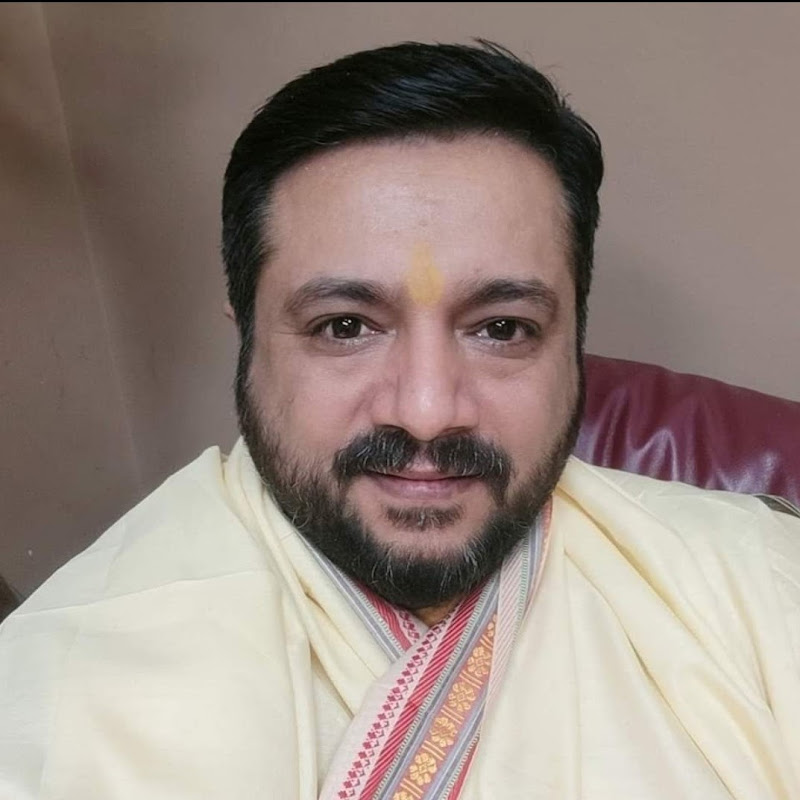
In this video, Acharya Gouldie Madan (Bhairav) explains the traditional understanding of mantras, their classifications, how mantra japa is practiced, the importance of pronunciation, devotion, and guru guidance, and the role of mantras in different spiritual traditions.
This video is intended for educational purposes. Specific mantras, initiations, and advanced practices belong to particular traditions and are traditionally learned from a qualified guru.
What Is a Mantra?
The Sanskrit word Mantra (मंत्र) is commonly explained as:
Man – mind
Tra – instrument, protection, or means of liberation
A mantra is therefore understood as a sacred sound, syllable, word, or verse used for meditation, worship, contemplation, and spiritual discipline.
In Sanatana Dharma, mantras are not regarded as ordinary words. They are treated as sacred expressions preserved through tradition and recited with reverence.
Why Are Mantras Important?
According to traditional teachings, mantra practice helps cultivate:
Mental focus
Devotion (Bhakti)
Discipline
Inner peace
Concentration
Spiritual reflection
A regular meditation practice
Many traditions also regard mantra recitation as a way of honoring one's chosen deity and strengthening spiritual discipline.
Types of Mantras
1. Vedic Mantras
These originate from the Vedas and are traditionally recited according to established methods.
Examples include:
Gayatri Mantra
Mahamrityunjaya Mantra
Purusha Sukta
Sri Sukta
2. Tantric Mantras
Used within Tantric traditions and often associated with specific deities, rituals, and initiatory lineages.
Many of these are traditionally practiced only after receiving proper initiation (diksha).
3. Beej Mantras
Beej means "seed."
A beej mantra is a sacred seed syllable traditionally associated with a particular deity or spiritual principle.
Examples include seed syllables used in various traditions, though their proper use and significance depend on lineage and guidance.
4. Nama Mantras
These consist primarily of the divine name.
Examples include devotional chanting dedicated to Shiva, Vishnu, Rama, Krishna, Devi, Hanuman, and other deities.
5. Stotra-Based Mantras
Verses from sacred hymns that are recited devotionally as part of daily worship or spiritual practice.
How Does Mantra Japa Work?
Traditional mantra practice generally includes:
Sitting in a clean, quiet place
Maintaining a steady posture
Focusing the mind
Reciting with sincerity
Practicing consistently
Respecting the traditional method taught by one's lineage
Many practitioners use a mala (rosary) to help maintain count and concentration.
Three Ways to Chant
Vaikhari Japa
Audible chanting.
Recommended for many beginners because it helps maintain focus.
Upanshu Japa
Soft whispering or movement of the lips with minimal sound.
Manasik Japa
Mental repetition without vocalization.
Many traditions consider this an advanced form requiring sustained concentration.
Why Pronunciation Matters
Traditional schools emphasize proper pronunciation because:
It preserves the original form.
It honors the lineage.
It maintains consistency in recitation.
It supports disciplined practice.
However, many teachers also emphasize that devotion, sincerity, and humility are essential alongside correct pronunciation.
Can Anyone Chant Mantras?
Many devotional mantras are openly recited by devotees.
However, numerous Tantric and lineage-specific mantras are traditionally practiced only after receiving initiation and instruction from a qualified guru.
Understanding the customs of one's tradition is an important part of respectful practice.
Common Mistakes Beginners Make
Frequently changing mantras
Expecting immediate results
Ignoring discipline
Practicing irregularly
About Acharya Gouldie Madan (Bhairav)
🔱 36+ Years of Spiritual Sadhana
🔱 Baglamukhi Sadhak & Upasak
🔱 Vedic Astrology
🔱 Vastu Consultant
🔱 Numerology
🔱 Spiritual Healing & Guidance
🌍 Serving Devotees in Canada & India
Contact
Canada
📞 +1 647-510-2650
📞 +1 647-550-2650
India
📞 +91 76195-40389
📞 +91 97170-32214
📞 +91 97170-32324
📞 +91 89045-80397
▶️ YouTube: @mahavidyabaglamukhi
📸 Instagram: @baglamukhiupasakgouldiemadan
What is Mantra, Mantra Sadhana, Mantra Japa, Beej Mantra, Vedic Mantras, Tantric Mantras, Hindu Mantras, Sacred Sound, Gayatri Mantra, Mahamrityunjaya Mantra, Nama Japa, Meditation Mantra, Spiritual Practice, Sanatan Dharma, Acharya Gouldie Madan, Baglamukhi Upasak, Tantra and Mantra, Devotional Chanting, Sanskrit Mantras, Guru Diksha