
Why ‘Finding Yourself’ Is a Big Lie - Albert Camus (Absurdism)
Nov 10, 2025•Channel
AI Analysis
Data from YouTube Data API v3•Updated Just now
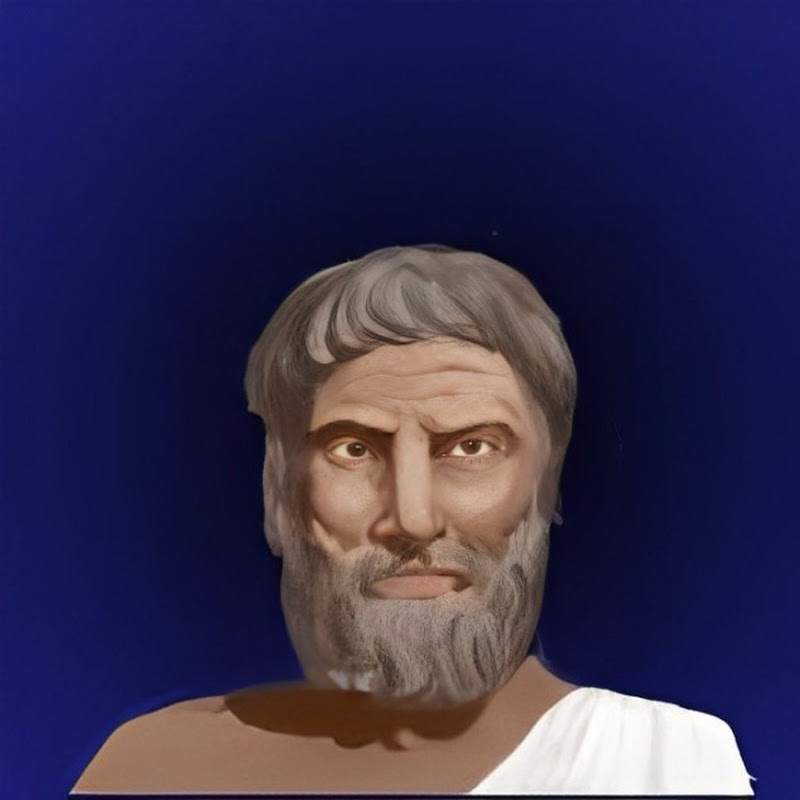
Video Overview
Video Details
Published7 months ago
Duration22:56
Video IDaFX3PU94WrE
Languageen
CategoryEducation
PrivacyPublic
Made for KidsNo
Video TypeRegular Video
Performance Metrics
Views2.2K
Likes152
Comments12
Engagement Rate7.49%
Likes per 100 views6.94
Comments per 1K views5.48
Video Tags
#albert camus#absurdism#existentialism#finding yourself#philosophy#meaning of life#camus philosophy#absurd philosophy#existential crisis#self discovery#finding meaning#the myth of sisyphus#philosophical ideas#life purpose#philosophical analysis#modern philosophy#existential nihilism#camus explained#absurdist philosophy#finding yourself
Description
Why ‘Finding Yourself’ Is a Big Lie - Albert Camus (Absurdism).
Consider becoming a channel member - https://www.youtube.com/channel/UCp1mRTkVlqDnxz_9S0YD9YQ/join.
Albert Camus was a French-Algerian writer, and Nobel Prize laureate who lived through war and loss, and he saw how life doesn’t always offer clear answers. Instead of turning away from that uncertainty, he chose to face it. He wanted to understand what it really means to be alive in a world that doesn’t hand us a ready-made purpose. We’re often told to “find your purpose” or “find yourself,” as if who we are is already out there waiting for the right moment, the right people, the right place. But Camus questioned that. He didn’t believe there was a perfect version of us hidden somewhere, waiting to be discovered. And there’s a real sense of relief in that. If there’s no single identity we’re supposed to uncover, then we’re not late. We’re not falling behind. We’re not missing out on some secret everyone else already understands. We’re not lost - we’re simply becoming, shaping who we are through the choices we make and the life we live. We learn by living. We change. We try things. We let go of what doesn’t feel true anymore and slowly build a life that feels more honest. When we stop believing there’s one “correct” self we must find, we no longer wait for a dramatic moment of clarity. We start paying attention to what’s right in front of us - the next small step, the next experience, the next chance to grow. In this video, we’re going to explore why searching for a “true self” is a lie - how that belief can keep us stuck, and why embracing life’s uncertainty can actually help us move forward, all from the philosophy of Albert Camus.
So here’s Why ‘Finding Yourself’ Is a Lie from the philosophy of Albert Camus
01. Understand the Absurd
02. Stop Waiting to “Find Yourself”
03. Rebel against the absurd
04. Rebel with Passion
05. Define Your Values, Not Labels
06. Experiment Boldly
I hope you enjoyed watching why searching for a “true self” is a lie - how that belief can keep us stuck, and why embracing life’s uncertainty can actually help us move forward, all from the philosophy of Albert Camus.
Albert Camus is one of the greatest French writers and thinkers. He was a philosopher, an author and a journalist. He won the Nobel Prize in Literature in 1957 and his most famous works are The Stranger, The Plague, The Myth of Sisyphus, The Fall, and The Rebel. Camus is one of the most representative figures of the philosophy of the “absurd” or “absurdism,” which is a philosophical movement having as its central hypothesis that human beings exist in a purposeless, chaotic universe. Camus considered that absolute freedom must be balanced with absolute justice - too much freedom leads to the situation when the strong suppresses the weak but too much justice kills freedom, and we need to live and let live. As a promoter of the philosophy of the “absurd”, Camus believed that life has no meaning, that the universe simply exists and that it is indifferent to people’s lives. We are like Sisyphus from Greek mythology, forever carrying that heavy rock to the top of the hill, although we know the rock will always fall down and our life's work is meaningless. Our condition might be tragic, but Camus considered that this exact condition hides a blessing in disguise: life does not have a meaning, but we are free to attribute it any meaning we want. His philosophy has inspired a lot of people in dealing with the absurdity of life and even today, his philosophy is extremely relevant.
Narration/Audio Editing: Dan Mellins-Cohen
https://www.dmcvoiceovers.com
Subscribe To Philosophies for Life
https://www.youtube.com/channel/UCp1mRTkVlqDnxz_9S0YD9YQ