
Seafire Slapdown | Salerno - Where Supermarine Lost Its Shine (Documentary)
Dec 8, 2025•Channel
AI Analysis
Data from YouTube Data API v3•Updated Just now
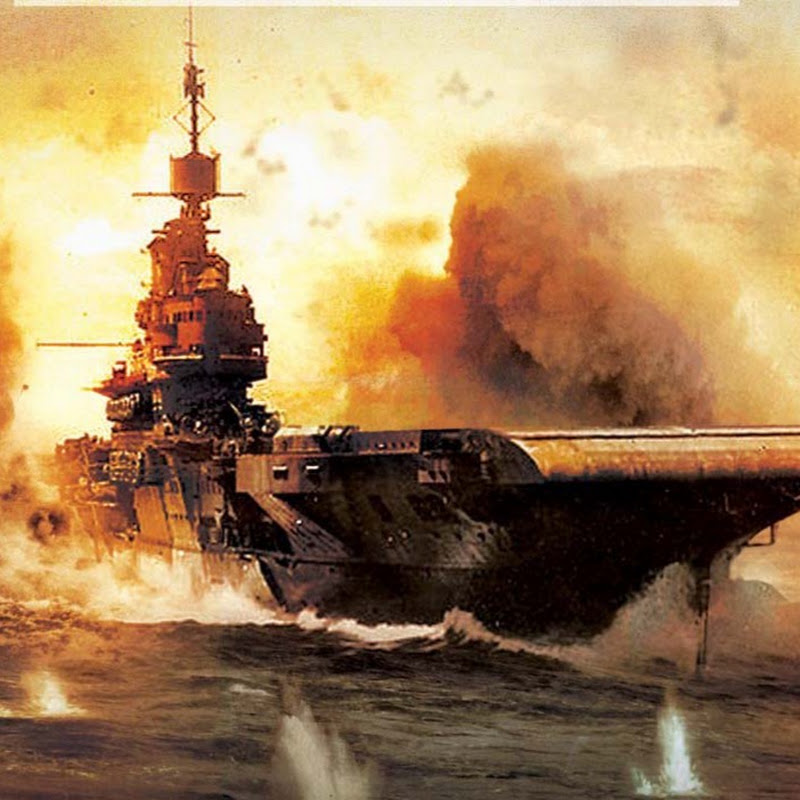
Video Overview
Video Details
Published6 months ago
Duration53:42
Video IDafmxhriNT1Q
Languageen
CategoryEducation
PrivacyPublic
Made for KidsNo
Video TypeRegular Video
Performance Metrics
Views3.5K
Likes279
Comments35
Engagement Rate8.88%
Likes per 100 views7.89
Comments per 1K views9.90
Video Tags
Description
It was almost a bridgehead too far. The Allied assault on the beaches of Salerno, Italy, was intended to provide a spearhead to Rome. Fascist Italian forces had surrendered. But Nazi Germany was rapid in its redeployment and seizure of control. As a result, the assault force met greater ground resistance than expected.
The Supermarine Seafires of Force H and Force V were the front line of defence. Long-range Spitfires and Mustangs were only able to loiter for a maximum of half an hour over the beachhead. But the Royal Navy's Seafires and Martlets could sustain meaningful patrols.
The problem was the climate. No wind. Glassy seas. Hazy horizons. Combined with Admiral Philip Vian's utter lack of understanding of carrier warfare, this made for unforgiving flying conditions.
Add to that an unforgiving aircraft (the Seafire), low deck landing speeds and confusing overlapping carrier approach paths, and one out of every nine flights ended up with a prang.
Nevertheless, the rapidly diminishing number of Seafires managed to maintain a significant presence (thanks to hot-seat pilot exchanges) over the beachhead far beyond the originally designated one and a half days.
The fighting dragged on. The allies failed to seize an airfield in the first day (then two, then three) as promised. So the Seafires had to stay.
Eventually 26 transferred to shore as it was realised the RAF Spitfire squadrons - despite the delays - were still not ready to move in.
Here, the pilots involved explain what happened, why, and how things could have gone better. Which they did, during the following invasion of southern France (Operation Dragoon).