
Chronic Pain Messaging in the Brain
Feb 24, 2026•Channel
AI Analysis
Data from YouTube Data API v3•Updated Just now
Video Overview
Video Details
Published4 months ago
Duration2:51
Video IDrM2US9gtuTA
Languageen
CategoryEducation
PrivacyPublic
Made for KidsNo
Video TypeYouTube Short
Performance Metrics
Views7.1K
Likes466
Comments14
Engagement Rate6.75%
Likes per 100 views6.56
Comments per 1K views1.97
Description
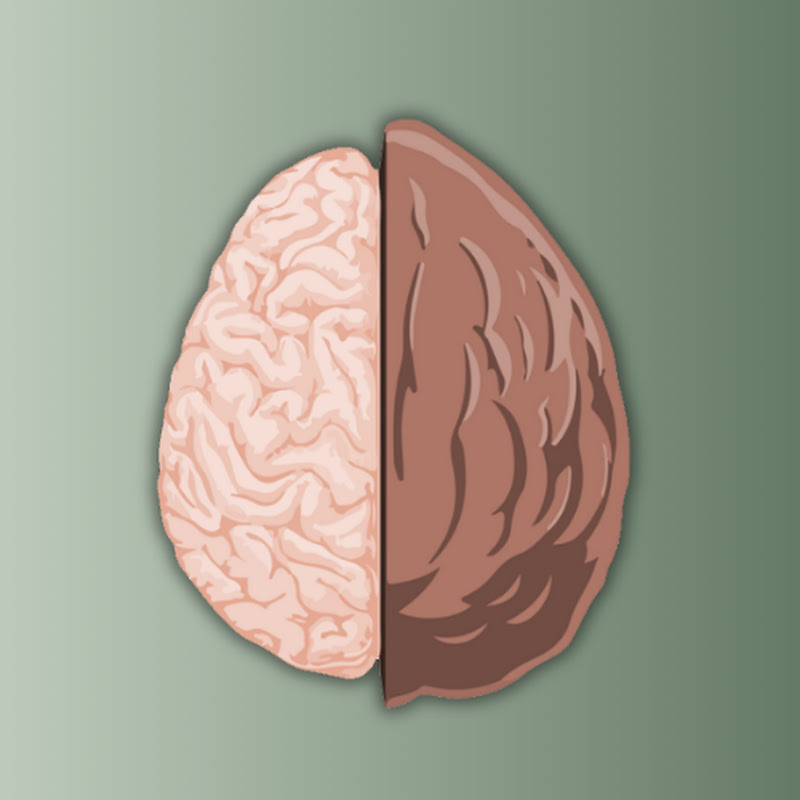
Pain is felt in the body — but it’s processed in the brain.
There’s acute pain from injury, and neuroplastic pain from a nervous system stuck in danger mode. Neuroplastic pain is real, visible on brain scans, and often doesn’t improve with surgeries or repeated physical treatments.
The good news?
Neuroplastic pain is treatable.
Work by Alan Gordon shows that teaching the brain safety — rather than fear — can significantly reduce or even resolve chronic pain.
There really is a "way out"
FREE Mental Health Resources: https://courses.therapyinanutshell.co...
Check out my podcast, Therapy in a Nutshell: https://tinpodcast.podbean.com/
Therapy in a Nutshell and the information provided by Emma McAdam are solely intended for informational and entertainment purposes and are not a substitute for advice, diagnosis, or treatment regarding medical or mental health conditions. Although Emma McAdam is a licensed marriage and family therapist, the views expressed on this site or any related content should not be taken for medical or psychiatric advice. Always consult your physician before making any decisions related to your physical or mental health.
In therapy I use a combination of Acceptance and Commitment Therapy, Systems Theory, positive psychology, and a bio-psycho-social approach to treating mental illness and other challenges we all face in life. The ideas from my videos are frequently adapted from multiple sources. Many of them come from Acceptance and Commitment Therapy, especially the work of Steven Hayes, Jason Luoma, and Russ Harris. The sections on stress and the mind-body connection derive from the work of Stephen Porges (the Polyvagal theory), Peter Levine (Somatic Experiencing) Francine Shapiro (EMDR), and Bessel Van Der Kolk. I also rely heavily on the work of the Arbinger institute for my overall understanding of our ability to choose our life's direction.
And deeper than all of that, the Gospel of Jesus Christ orients my personal worldview and sense of security, peace, hope, and love https://www.churchofjesuschrist.org/c...
If you are in crisis, please contact the National Suicide Prevention Hotline at https://suicidepreventionlifeline.org/ or 988 or your local emergency services.
Copyright Therapy in a Nutshell, LLC