
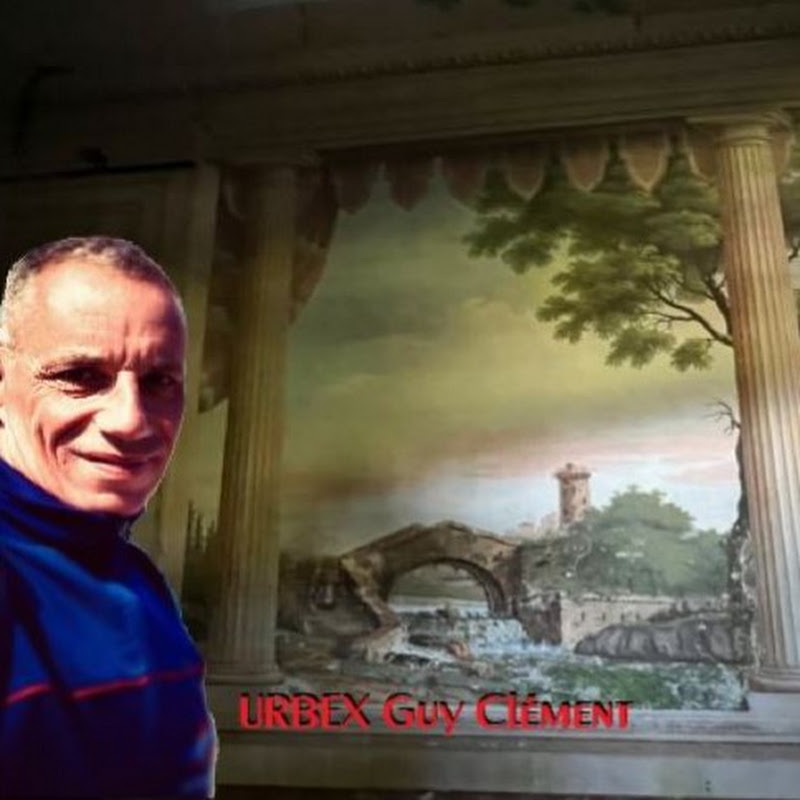
URBEX Guy Clément FRANCE | AMERICAN CASTLE - LE CHÂTEAU AMERICAIN 3003/10000 VIDEO
Apr 1, 2026•Channel
AI Analysis
Data from YouTube Data API v3•Updated Just now
Video Overview
Video Details
Published3 months ago
Duration9:17
Video ID9geNr8R03ms
Languagede
CategoryFilm & Animation
PrivacyPublic
Made for KidsNo
Video TypeRegular Video
Performance Metrics
Views19
Likes2
Comments2
Engagement Rate21.05%
Likes per 100 views10.53
Comments per 1K views105.26
Video Tags
Description
N'hésites pas à t'abonner à ma chaîne et activer les notifications 🔔pour être informé de mes prochaines explorations et découvertes!
Feel free to subscribe my channel and activate notifications 🔔to be aware about my next explorations and discoveries!
L’histoire du site commence au XIᵉ siècle, lorsqu’une forteresse est construite vers 1090 par Foulques IV d’Anjou, comte d’Anjou, qui confie ensuite sa gestion à ses vassaux, notamment Robert de Blô, puis à sa famille.
Le roi Charles VII séjourne au château en 1429 pendant la guerre de Cent Ans.
À partir de la première moitié du XVIᵉ siècle, Louis Iᵉʳ de Bourbon (« prince de la Roche-sur-Yon ») entreprend la construction d’un nouveau château d’inspiration italienne ainsi que d’une Sainte-Chapelle castrale, dédiée à Saint Louis, privilège lié à son ascendance royale.
La Sainte-Chapelle, construite entre 1499 et 1570, est un magnifique exemple de style gothique et Renaissance et servait de chapelle familiale. Elle est classée monument historique depuis 1911.
En 1635, le cardinal de Richelieu, jaloux de la splendeur de ce château qui rivalisait avec celui de Richelieu qu’il faisait construire, fait échanger et ordonner la destruction de l’essentiel du château (sauf la chapelle et quelques communs).
Ce qu’on nomme aujourd’hui le « château » n’est en réalité plus que les anciens communs, transformés en logis seigneurial par Anne-Marie-Louise d’Orléans (« La Grande Mademoiselle ») après 1656.
En 1866, il est acquis par la famille de La Roche-Aymon, qui le conserve jusqu’en 2000.
Depuis 2000, le domaine appartient à un couple d’américains, Bernard et Joan Carl.
The history of the site began in the 11th century, when a fortress was built around 1090 by Foulques IV of Anjou, Count of Anjou, who then entrusted its management to his vassals, notably Robert de Blô, and later to his family.
King Charles VII stayed at the castle in 1429 during the Hundred Years' War.
From the first half of the 16th century, Louis I of Bourbon (“Prince of La Roche-sur-Yon”) undertook the construction of a new Italian-inspired castle and a castle chapel dedicated to Saint Louis, a privilege linked to his royal ancestry.
The Sainte-Chapelle, built between 1499 and 1570, is a magnificent example of Gothic and Renaissance style and served as a family chapel. It has been classified as a historical monument since 1911.
In 1635, Cardinal Richelieu, jealous of the splendor of this castle, which rivaled the one he was having built in Richelieu, had most of the castle exchanged and destroyed (except for the chapel and a few outbuildings).
What is now known as the “castle” is in fact nothing more than the former outbuildings, which were converted into a stately home by Anne-Marie-Louise d'Orléans (“La Grande Mademoiselle”) after 1656.
In 1866, it was acquired by the La Roche-Aymon family, who kept it until 2000.
Since 2000, the estate has belonged to an American couple, Bernard and Joan Carl.
Die Geschichte des Ortes beginnt im 11. Jahrhundert, als um 1090 von Foulques IV. d'Anjou, Graf von Anjou, eine Festung erbaut wurde, deren Verwaltung er zunächst seinen Vasallen, insbesondere Robert de Blô, und später seiner Familie übertrug.
König Karl VII. hielt sich 1429 während des Hundertjährigen Krieges im Schloss auf.
Ab der ersten Hälfte des 16. Jahrhunderts begann Louis I. de Bourbon („Prinz von La Roche-sur-Yon“) mit dem Bau eines neuen Schlosses im italienischen Stil sowie einer Schloss-Kapelle, die dem Heiligen Ludwig gewidmet war, ein Privileg, das mit seiner königlichen Abstammung verbunden war.
Die zwischen 1499 und 1570 erbaute Sainte-Chapelle ist ein prächtiges Beispiel für den gotischen und Renaissance-Stil und diente als Familienkapelle. Seit 1911 steht sie unter Denkmalschutz.
Im Jahr 1635 ließ Kardinal Richelieu, eifersüchtig auf die Pracht dieses Schlosses, das mit dem von ihm erbauten Schloss Richelieu konkurrierte, den größten Teil des Schlosses (mit Ausnahme der Kapelle und einiger Nebengebäude) abreißen und zerstören.
Was heute als „Schloss” bezeichnet wird, sind in Wirklichkeit nur noch die ehemaligen Nebengebäude, die nach 1656 von Anne-Marie-Louise d'Orléans („La Grande Mademoiselle”) in eine herrschaftliche Residenz umgewandelt wurden.
Im Jahr 1866 wurde es von der Familie La Roche-Aymon erworben, die es bis zum Jahr 2000 behielt.
Seit 2000 gehört das Anwesen einem amerikanischen Ehepaar, Bernard und Joan Carl.
Retrouvez-moi sur les réseaux / Follow me for daily content:
👍 Facebook: Urbex Guy Clement https://www.facebook.com/profile.php?...
👉 Youtube URBEX Guy Clément https://www.youtube.com/channel/UCNhQ...
📸 Instagram: @abandoned.urbex.world https://www.instagram.com/abandoned.u...
🎵TikTok: @urbexguyclement https://www.tiktok.com/@urbexguycleme...
🐦Twitter: @GuyPellegrin https://twitter.com/GuyPellegrin
X: https://x.com/GuyPellegrin
#abandoned
#explorer
#urbex