
The British Rail Class 27: Scotland’s Hard-Working Diesel (1961–1987) #class27 #scotland #fyp
Jan 27, 2026•Channel
AI Analysis
Data from YouTube Data API v3•Updated Just now
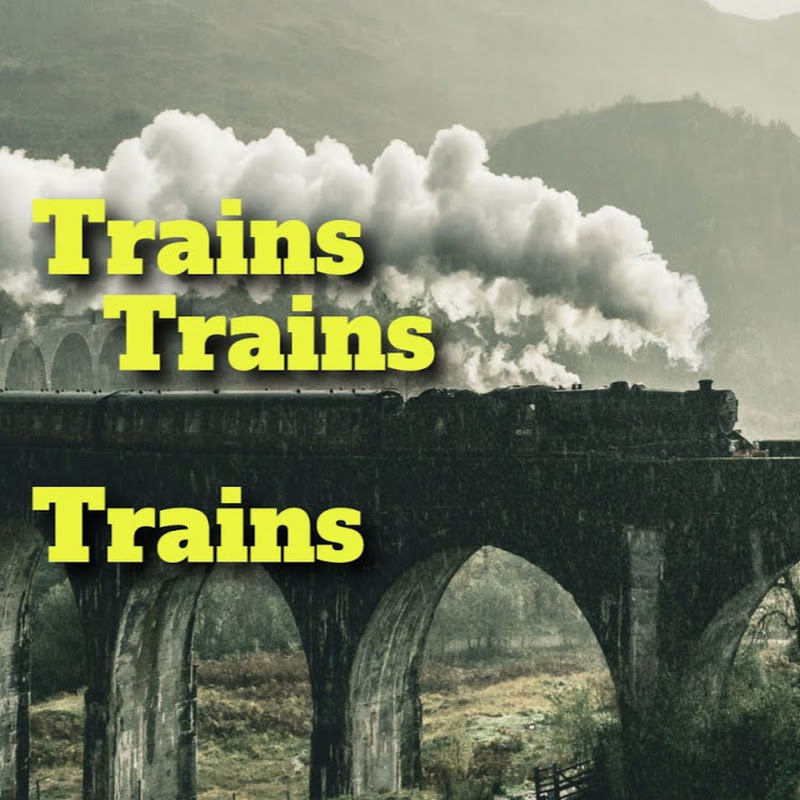
Video Overview
Video Details
Published4 months ago
Duration5:14
Video IDKMpmoZnprAE
Languageen
CategoryTravel & Events
PrivacyPublic
Made for KidsNo
Video TypeRegular Video
Performance Metrics
Views4K
Likes268
Comments12
Engagement Rate7.03%
Likes per 100 views6.73
Comments per 1K views3.01
Video Tags
Description
The British Rail Class 27: Scotland’s Hard-Working Diesel (1961–1987)
The British Rail Class 27 diesel locomotive was never the most powerful or the most glamorous machine on Britain’s rails — but in Scotland, it became an icon.
Built by the Birmingham Railway Carriage and Wagon Company between 1961 and 1962, the Class 27 was developed from the earlier Class 26 and went on to play a crucial role north of the border. From West Highland Line workings to high-speed Edinburgh–Glasgow push-pull services, these locomotives were pushed to their limits in some of the toughest conditions on the network.
In this video, we explore the full story of the Class 27 — from its construction and early allocations, through its concentration in Scotland, the ambitious push-pull experiment, reliability struggles, fires, accidents, and finally its dramatic withdrawal in the late 1980s. We also look at why the supposedly superior Class 27 was ultimately outlived by the older Class 26.
A story of innovation, overwork, and quiet determination — this is the rise and fall of one of Scotland’s most distinctive diesel locomotives.
If you enjoy in-depth railway history, forgotten locomotives, and the stories behind Britain’s diesel era, you’re in the right place.
👉 Please like, share, and subscribe for more railway history every week.
#Class27, #BritishRailClass27, #Class27Diesel, #DieselLocomotive, #BritishRail,
Copyright Fair Use Disclaimer: The material presented in this video is not exclusively owned by us. It belongs to individuals or organizations that we deeply respect. Its use follows the guidelines of Section 107 of the Copyright Act of 1976, which permits "fair use" for purposes such as criticism, commentary, news reporting, teaching, academic research, and study. Fair use is a principle established by copyright law that allows limited use of protected materials without infringing on rights. This video was created to enhance understanding and appreciation of the original content without causing any harm to the rights holders. It has an educational purpose and uses only small excerpts from the original material.