
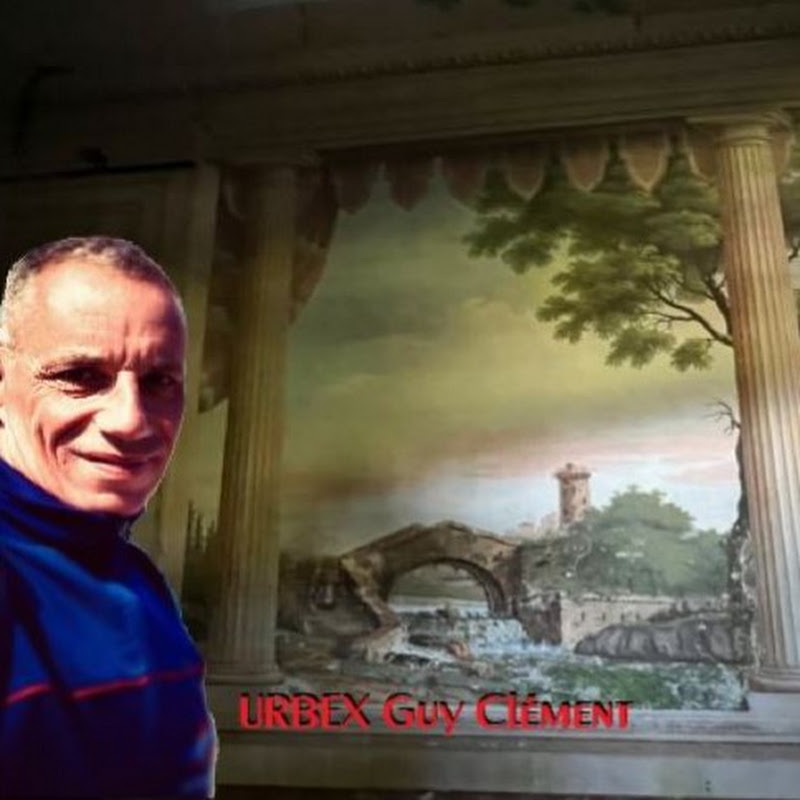
URBEX Guy Clément 日本 | JAPON | TOMIOKA ORAGAHAMA | OKUMA SHIMONOGAMI | 夢の家 0400/10000 空き家 VIDEO
Mar 30, 2026•Channel
AI Analysis
Data from YouTube Data API v3•Updated Just now
Video Overview
Video Details
Published2 months ago
Duration12:18
Video IDLrExvyEaXfI
Languagefr
CategoryFilm & Animation
PrivacyPublic
Made for KidsNo
Video TypeRegular Video
Performance Metrics
Views23
Likes3
Comments4
Engagement Rate30.43%
Likes per 100 views13.04
Comments per 1K views173.91
Video Tags
Description
N'hésites pas à t'abonner à ma chaîne et activer les notifications 🔔pour être informé de mes prochaines explorations et découvertes!
Feel free to subscribe my channel and activate notifications 🔔to be aware about my next explorations and discoveries!
Pour appréhender le Japon, il faut identifier deux périodes récentes qui nous éclairent sur son art et sa culture:
La période Edo de 1603 à 1868:
Dirigée par le shogunat des Tokugawa, cette période est marquée par une forte stabilité politique et sociale.
Le Japon adopte une politique d’isolement appelée sakoku, limitant les contacts avec l’étranger.
La société est strictement hiérarchisée (samouraïs, paysans, artisans, marchands).
L’économie se développe, notamment dans les villes comme Edo (future Tokyo).
La culture prospère avec le théâtre kabuki et les estampes ukiyo-e.
La période Meijo de 1868 à 1912:
Commence avec la Restauration de Meiji, qui met fin au shogunat.
Le pouvoir est restauré à l’empereur, notamment Empereur Meiji.
Le Japon s’ouvre au monde et se modernise rapidement (industrie, armée, éducation).
Des réformes abolissent les privilèges des samouraïs et modernisent la société.
Le pays devient une puissance mondiale émergente à la fin du XIXe siècle.
Enfin, la pratique de l'urbex s'appelle haikyo: qui reste un délit pour les autorités.
Sachez que je me suis fait arrêter par la police...
To understand Japan, we need to identify two recent periods that shed light on its art and culture.
The Edo period from 1603 to 1868:
Ruled by the Tokugawa shogunate, this period was marked by strong political and social stability.
Japan adopted a policy of isolation known as sakoku, limiting contact with the outside world.
Society was strictly hierarchical (samurai, peasants, artisans, merchants).
The economy developed, particularly in cities such as Edo (later Tokyo).
Culture flourished with kabuki theater and ukiyo-e prints.
The Meiji period from 1868 to 1912:
Began with the Meiji Restoration, which brought an end to the shogunate.
Power was restored to the emperor, notably Emperor Meiji.
Japan opened up to the world and modernized rapidly (industry, military, education).
Reforms abolished the privileges of the samurai and modernized society.
The country became an emerging world power by the end of the 19th century.
Finally, the practice of urban exploration is called haikyo, which is still considered a crime by the authorities.
Just so you know, I was arrested by the police...
日本を理解するためには、その芸術や文化を解き明かす手がかりとなる、近年の2つの時代を特定する必要がある。
徳川幕府によって統治されたこの時代は、政治的・社会的に極めて安定していた。
日本は「鎖国」と呼ばれる政策を採用し、外国との接触を制限した。
社会は厳格な階級制度(武士、農民、職人、商人)によって構成されていた。
経済は、特に江戸(後の東京)のような都市で発展した。
歌舞伎や浮世絵などの文化が栄えた。
明治時代(1868年~1912年):
幕府を終わらせた明治維新から始まる。
権力は天皇、特に明治天皇に返還された。
日本は世界へと門戸を開き、急速に近代化が進みました(産業、軍隊、教育)。
改革により武士の特権が廃止され、社会は近代化されました。
19世紀末には、日本は新興の世界的大国となりました。
最後に、アーベックス(urbex)の行為は「廃墟探検(haikyo)」と呼ばれていますが、当局にとっては依然として違法行為です。
実は、私も警察に逮捕されたことがあるのです……
Retrouvez-moi sur les réseaux / Follow me for daily content:
👍 Facebook: Urbex Guy Clement https://www.facebook.com/profile.php?...
👉 Youtube URBEX Guy Clément https://www.youtube.com/channel/UCNhQ...
📸 Instagram: @abandoned.urbex.world https://www.instagram.com/abandoned.u...
🎵TikTok: @urbexguyclement https://www.tiktok.com/@urbexguycleme...
🐦Twitter: @GuyPellegrin https://twitter.com/GuyPellegrin
X: https://x.com/GuyPellegrin
#abandoned
#explorer
#urbex