
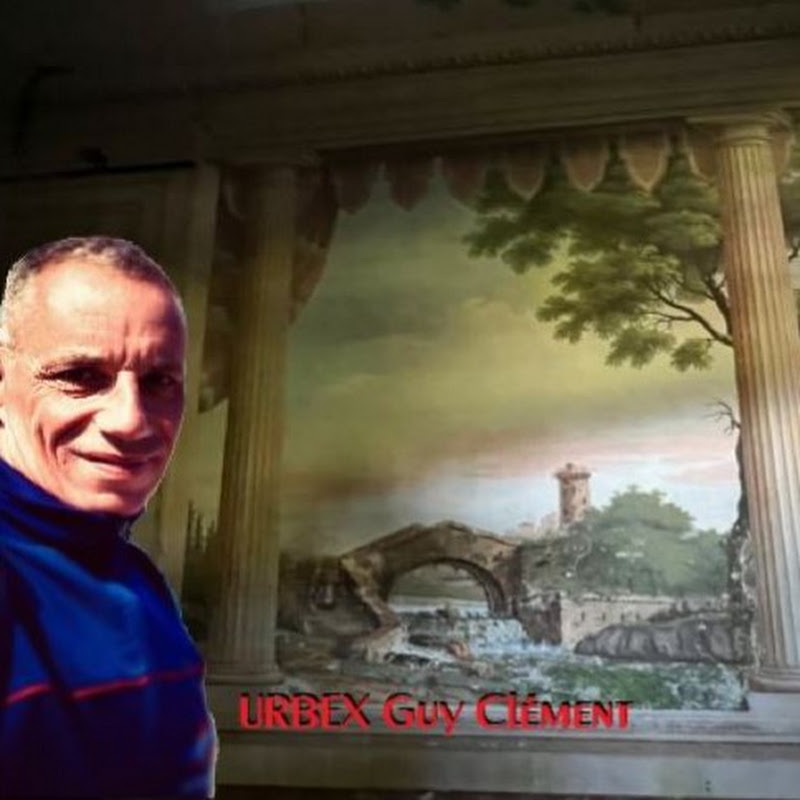
URBEX Guy Clément BELGIQUE | SERAING | FACTORY CENTRAL FACTORY 0922/10000 VIDEO
Jun 12, 2026•Channel
AI Analysis
Data from YouTube Data API v3•Updated Just now
Video Overview
Video Details
Published1 week ago
Duration15:32
Video IDWi5_Sx16XCk
Languagefr
CategoryFilm & Animation
PrivacyPublic
Made for KidsNo
Video TypeRegular Video
Performance Metrics
Views27
Likes3
Comments2
Engagement Rate18.52%
Likes per 100 views11.11
Comments per 1K views74.07
Video Tags
Description
N'hésites pas à t'abonner à ma chaîne et activer les notifications 🔔pour être informé de mes prochaines explorations et découvertes!
Feel free to subscribe my channel and activate notifications 🔔to be aware about my next explorations and discoveries!
En 1817, John et Charles James Cockerill rachètent le château de Seraing (ancienne résidence des princes-évêques de Liège) et y installent des ateliers mécaniques : fonderie, des forges, laminoirs et constructions de machines (machines à vapeur, presses, etc.), transformant le site en complexe intégré.
En 1826, le premier haut-fourneau au coke est mis en service à Seraing, marquant le début de la production sidérurgique moderne dans la région.
Les freres Cockerill exportent locomotives, matériel ferroviaire, machines industrielles, et étendent leurs activités, y compris dans les mines de charbon.
Après le décès de John Cockerill (1840), l’entreprise poursuit sous le nom de « Société anonyme John Cockerill » et se développe encore.
Aux XIXᵉ et XXᵉ siècles, le site de Seraing est agrandi, modernisé, et fusionné avec d’autres usines sidérurgiques, devenant progressivement un acteur central de la sidérurgie belge.
En 1981, la fusion et dès 1990 les difficultés financières apparaissent. il est rachetée par le groupe français Usinor/Acelor (ArcelorMittal en 2006)
Le site de Seraing subi des démantèlements et des reconversions, beaucoup d’installations historiques étant détruites ou abandonnées.
Le château de Seraing et les anciennes installations sont en partie restaurés ou transformés, notamment pour commémorer l’histoire industrielle.
Aujourd’hui, le site de Seraing est toujours utilisé pour des activités industrielles, notamment dans les technologies de l’hydrogène (électrolyseurs).
In 1817, John and Charles James Cockerill purchased Seraing Castle (the former residence of the Prince-Bishops of Liège) and established mechanical workshops there: a foundry, forges, rolling mills, and machine building (steam engines, presses, etc.), transforming the site into an integrated complex.
In 1826, the first coke-fired blast furnace was commissioned in Seraing, marking the beginning of modern steel production in the region.
The Cockerill brothers exported locomotives, railway equipment, and industrial machinery, and expanded their activities, including coal mining.
After John Cockerill's death (1840), the company continued under the name "Société anonyme John Cockerill" and continued to grow. During the 19th and 20th centuries, the Seraing site was expanded, modernized, and merged with other steelworks, gradually becoming a key player in the Belgian steel industry.
In 1981, the merger began, and financial difficulties began in 1990. It was acquired by the French group Usinor/Acelor (ArcelorMittal in 2006).
The Seraing site underwent dismantling and conversion, with many historic facilities being destroyed or abandoned.
Seraing Castle and the old facilities were partially restored or transformed, notably to commemorate the industrial history.
Today, the Seraing site is still used for industrial activities, particularly in hydrogen technologies (electrolyzers).
Nel 1817, John e Charles James Cockerill acquistarono il Castello di Seraing (ex residenza dei Principi Vescovi di Liegi) e vi fondarono officine meccaniche: una fonderia, fucine, laminatoi e una fabbrica di macchinari (motrici a vapore, presse, ecc.), trasformando il sito in un complesso integrato.
Nel 1826, il primo altoforno a coke fu messo in funzione a Seraing, segnando l'inizio della moderna produzione di acciaio nella regione.
I fratelli Cockerill esportarono locomotive, materiale ferroviario e macchinari industriali e ampliarono le loro attività, includendo l'estrazione del carbone.
Dopo la morte di John Cockerill (1840), l'azienda continuò a operare con il nome di "Société anonyme John Cockerill" e continuò a crescere. Durante il XIX e il XX secolo, il sito di Seraing fu ampliato, modernizzato e fuso con altre acciaierie, diventando gradualmente un attore chiave nell'industria siderurgica belga. Nel 1981 ebbe inizio la fusione e nel 1990 iniziarono le difficoltà finanziarie. Fu acquisita dal gruppo francese Usinor/Acelor (ArcelorMittal nel 2006).
Il sito di Seraing fu smantellato e riconvertito, con molti impianti storici distrutti o abbandonati.
Retrouvez-moi sur les réseaux / Follow me for daily content:
👍 Facebook: Urbex Guy Clement https://www.facebook.com/profile.php?...
👉 Youtube URBEX Guy Clément https://www.youtube.com/channel/UCNhQ...
📸 Instagram: @abandoned.urbex.world https://www.instagram.com/abandoned.u...
🎵TikTok: @urbexguyclement https://www.tiktok.com/@urbexguycleme...
🐦Twitter: @GuyPellegrin https://twitter.com/GuyPellegrin
X: https://x.com/GuyPellegrin
#abandoned
#explorer
#urbex